
Portugal Surf Guide: Big Waves, Best Spots & Coastal Living
Fabio Goncalves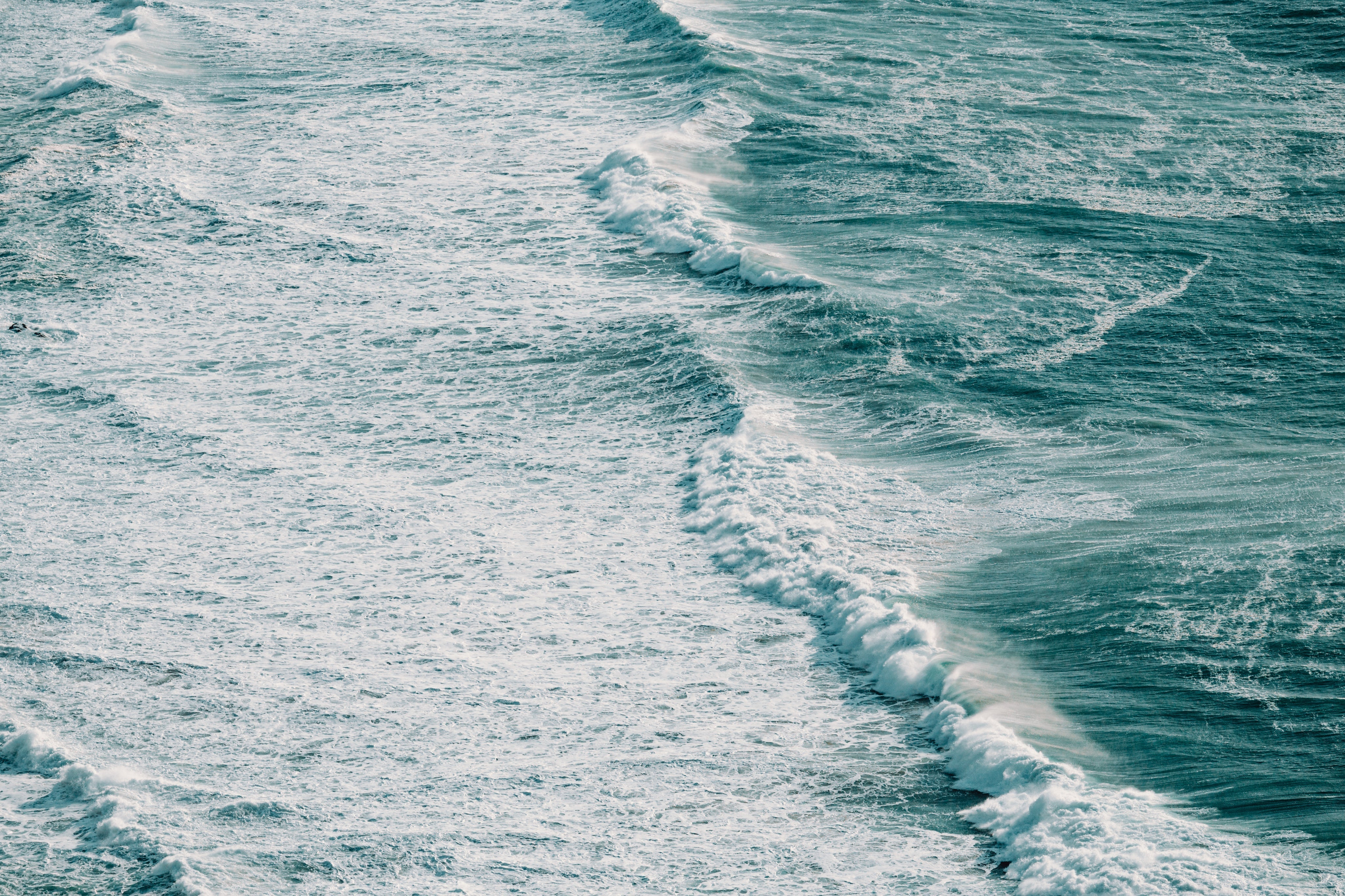
The Atlantic Coast Awaits: Your Complete Guide to Surfing & Living in Portugal
Big waves, ancient towns, grilled sardines, and a word for a feeling no other language has. This is Portugal.
Portugal is one of Europe's premier surf destinations, offering 943km of Atlantic coastline, consistent swell year-round, and waves for every level — from gentle Algarve beaches for beginners to Nazaré's record-breaking 26-metre giants. World Surfing Reserve Ericeira, big-wave mecca Nazaré, and barrel-heavy Peniche make it the most complete surf country in mainland Europe.
Why Nazaré Has the Biggest Waves in the World
The answer lies beneath the surface. The Nazaré Canyon is an underwater trench over 5km deep and 230km long — the largest submarine canyon in Europe — pointing directly at Praia do Norte. When Atlantic swells travel across the open ocean and hit this canyon, they preserve their full energy and amplify into the wave-stacking effect that regularly produces the largest rideable waves on the planet.
In November 2011, Garrett McNamara surfed a then-world-record 79-foot wave here and put Nazaré on the global surf map. In 2020, German big-wave surfer Sebastian Steudtner rode what is now officially the largest wave ever surfed: 26.21 metres (86 feet), ratified by Guinness World Records and the WSL. Every winter since McNamara's record, elite big-wave riders gather at the red lighthouse to push the limits further.
Best time to see Nazaré's giants: November through February. Check the webcam at the Forte de São Miguel Arcanjo before visiting — monster swells don't arrive on schedule, and when they do, the whole cliff fills with spectators.
Best Surf Spots in Portugal for Every Level
Portugal's 943km of Atlantic coastline faces directly into the North Atlantic — meaning consistent swell arrives almost every week of the year. Here's where to go based on your level:
| Spot | Character | Best For |
|---|---|---|
| Ericeira | World Surfing Reserve. Reef breaks, beach breaks, cobblestone charm between sessions. | All Levels |
| Peniche | Home of Supertubos. Fast, hollow barrels and WSL Championship events. | Advanced |
| Sagres | The southwest tip of Europe. Wild, remote, and exposed — feels like the edge of the world. | Intermediate+ |
| Algarve | Portugal's most visited coast. South-facing beaches offer shelter and gentler conditions. | Beginner |
| Azores | Remote mid-Atlantic island surfing. Raw, uncrowded, and extraordinary. | Advanced |
| Madeira | Volcanic island surfing. Jardim do Mar has world-class left-hand point breaks. | Intermediate+ |
Best Time to Visit Portugal for Surfing
| Season | Waves | Water Temp* | Best For |
|---|---|---|---|
| Spring Mar–May | Consistent, medium swells | 15–17°C | Intermediate surfers, fewer crowds |
| Summer Jun–Aug | Small, gentle waves | 18–21°C | Beginners, beach lovers, digital nomads |
| Autumn ⭐ Sep–Nov | Growing swells, excellent shape | 17–19°C | Best overall — all levels |
| Winter Dec–Feb | Powerful storm swells | 13–15°C | Advanced surfers, Nazaré spectators |
*Sea temperatures for central Portugal. Source: IPMA — Instituto Português do Mar e da Atmosfera. Algarve coast typically runs 2–3°C warmer.
The local secret: September and October are the sweet spot. The Atlantic warms up all summer, swell returns, crowds thin, and prices drop. The light turns golden and the water still feels alive.
What to Pack for a Portugal Surf Trip
The golden rule: versatility over volume. The same day can take you from a 7am surf check in the fog to a clifftop lunch, a cathedral, and a late-night fado concert. Pack light, pack with intention.
- Wetsuit: 3/2mm for spring, summer, autumn — 4/3mm for winter sessions
- Boardshorts or bikini: Summer beach culture is strong, especially in the Algarve
- Organic hoodie: Essential for early mornings, coastal wind, and evening chill
- 2–3 quality tees: The less you pack, the more intentional each piece becomes
- SPF 50 + zinc stick: Atlantic light is deceptive — even overcast days burn
- A good tote: For markets, beach towels, and the sardines you'll buy at a harbour stall
The Portuguese Surf Lifestyle: Slow, Social, Salt-Stained
Unlike California or Bali's hustle, Portuguese surf culture moves at the pace of the tide. Surf checks happen over a bica (espresso) at 7am. Post-session means fresh seafood at a harbour table without a reservation. Evenings are for sunsets, slow conversations, and the kind of quiet that makes you realise how fast your normal life moves.
In Ericeira, world-class reef breaks sit down cobblestone streets from a fish stall. In Sagres, the southwest tip of Europe feels like the edge of the world — because historically, it was. In Peniche, local fishermen and WSL competitors share the same harbour. This blend of the ancient and the oceanic is what makes Portugal different from every other surf destination.
Surf culture in Portugal is ingrained, not performed. You'll find board-toting locals at every corner, surf vans outside village churches, and wetsuit-clad figures checking breaks at spots with no English name on any map.
What to Eat After a Surf Session in Portugal
Post-surf hunger in Portugal is one of life's genuinely great problems. Here's what to order:
- Sardinhas Assadas: Grilled sardines on charcoal. Simple, perfect, coastal. Best June–September.
- Caldeirada: Fish stew. Peniche's specialty. One bowl fills a surfer's hunger completely.
- Bica: A short, strong espresso. The official pre-surf and post-surf drink of Portugal.
- Pastel de Nata: Portugal's iconic custard tart, searched by millions of visitors planning their first trip. Best eaten warm from the oven.
- Caldo Verde: Kale and chorizo soup. Winter surf session fuel. Thick, warming, deeply comforting.
- Polvo à Lagareiro: Roasted octopus with olive oil. The dish that turns first-timers into regulars.
"Saudade — the love that remains after someone is gone. The wave you remember long after the ocean has moved on."
— Atlantic Wave, Porto
Is Portugal Affordable Compared to Other Surf Destinations?
Compared to California, Hawaii, or the Maldives, Portugal is significantly more affordable — and that gap widens the further you get from Lisbon's tourist centre. A surf camp in Ericeira costs a fraction of one in Nosara. A fresh-catch harbour lunch rarely breaks €15.
| Expense | Portugal | California / Hawaii |
|---|---|---|
| Surf lesson (2 hrs) | €35–50 | €90–140 |
| Board rental (day) | €15–25 | €50–80 |
| Post-surf lunch | €10–15 | €25–45 |
| Hostel/night (surf town) | €18–35 | €50–90 |
| Espresso | €0.80–1.20 | €4.00–5.50 |
Typical ranges for central Portugal. Prices vary by location and season. Source: Numbeo — Portugal cost of living.
The Symbols of Portugal You'll See Everywhere
Travel anywhere along the Portuguese coast and you'll notice recurring symbols embedded in tiles, walls, tattoos, and clothing. These aren't decorative trends — they carry centuries of meaning.
- Andorinha (Swallow): Symbol of loyalty, home, and return. Portuguese sailors believed swallows only flew close to land — seeing one meant you were nearly home.
- Sardine: Lisbon's unofficial mascot. It appears on tiles, menus, street art — a playful symbol of coastal simplicity.
- Gaivota (Seagull): The free spirit of the Atlantic coast, riding thermals between headlands. A symbol of the open ocean and untethered movement.
- Azulejo wave tiles: The wave pattern in Portuguese tilework is one of the country's most recognisable visual signatures — representing the Atlantic that shaped the nation.
Frequently Asked Questions
Why does Nazaré have the biggest waves in the world?
Nazaré's giant waves are caused by the Nazaré Canyon — an underwater trench over 5km deep and 230km long that points directly at Praia do Norte. Atlantic swells hit this canyon and amplify into waves of extraordinary size. The current official world record is 26.21 metres (86 feet), surfed by Sebastian Steudtner in October 2020 and verified by Guinness World Records.
What is the best time of year to surf in Portugal?
Autumn (September–November) is the best overall season: swells return after summer, water temperatures remain warm at 17–19°C, crowds thin, and prices drop. Summer suits beginners with gentle waves and warm water. Winter brings the most powerful swells — best for advanced surfers and Nazaré spectators. Real-time sea temperatures are available from IPMA, Portugal's official meteorological institute.
Is Portugal cheap for a surf trip?
Yes — Portugal is significantly more affordable than California, Hawaii, or the Maldives. A 2-hour surf lesson costs €35–50 (compared to €90–140 elsewhere), board rental runs €15–25/day, a harbour lunch is €10–15, and hostel beds in surf towns start from €18–35/night. An espresso is typically under €1.20.
What does saudade mean in Portuguese?
Saudade is a uniquely Portuguese word with no direct English translation. It describes a bittersweet emotional state of nostalgic longing — the warmth of a memory mixed with the ache of absence. It is central to Portuguese identity, embedded in fado music, and inseparable from the country's centuries-long relationship with the sea and emigration.
What are the best surf spots in Portugal for beginners?
The Algarve's south-facing beaches offer the gentlest and most sheltered conditions in Portugal, making them ideal for beginners. Cascais and Costa da Caparica near Lisbon also have learner-friendly beach breaks with surf schools. Avoid the powerful reef breaks of Ericeira and Peniche until you have solid experience in the water.
What is Ericeira known for in surfing?
Ericeira is Europe's only World Surfing Reserve, officially designated in October 2011 by the Save the Waves Coalition. It contains seven world-class surf breaks across just 4km of coastline — including Coxos, Ribeira d'Ilhas, and Pedra Branca — making it one of the highest concentrations of quality waves anywhere in the world.
Written by Atlantic Wave · Porto, Portugal · theatlanticwave.com
Crafted with saudade and organic cotton.